


Exfoliation is a standard part of many spa and body care treatments, but not all exfoliants perform the same way. Professional spa manicures, pedicures, and body treatments may incorporate salt scrubs, chemical exfoliants, or sugar scrubs, depending on the goals of the service.
Among the three, sugar scrubs have become an increasingly popular choice. From preparing the skin for moisture-focused products to creating a more complete spa experience, sugar scrubs play an important role in modern spa and body care systems.
The benefits of offering sugar scrub services extend beyond exfoliation alone. Let’s look at how these scrubs fit into existing spa systems and serve clients.
Scrubs Within Full Spa Manicure and Pedicure Systems
Exfoliation prepares the skin for the rest of a spa manicure or pedicure. After soaking and cleansing, a scrub removes dry surface buildup and refines rough texture before creams, masks, oils, or massage products are applied. This sequence creates a smoother surface for hydration products.
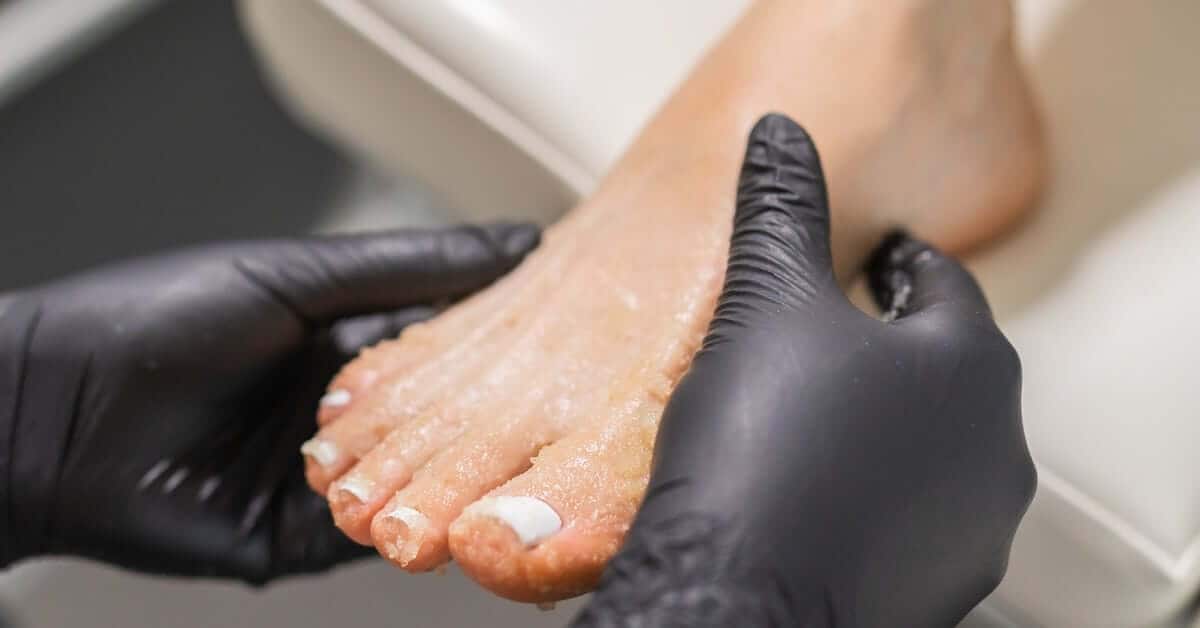
In professional spa and body care services, the exfoliant should match the treatment goal. A foot service may require more work around the heels, while a hand treatment usually needs a lighter touch around the knuckles and cuticle area. The product choice can determine client comfort, the need for pressure control, and how the skin feels after the service.
A complete spa system includes exfoliation by design. The question is not whether to include an exfoliant but which type of exfoliant fits the area, the skin’s condition, and the service structure.
Comparing Common Spa Exfoliation Options
Spa and body care services can use several exfoliation methods. Sugar scrubs, salt scrubs, and chemical exfoliants all remove dead skin, but they work differently during application.
Salt Scrubs
Salt scrubs are physical exfoliants with mineral-based granules. They are often used on rougher areas of the body because the texture can feel stronger during application. In pedicure services, salt scrubs may be used where the skin is thicker, especially around the heels or other areas with heavier dryness.
The main consideration with salt is pressure. Salt granules are more abrasive than sugar, especially on sensitive skin or freshly shaved areas. They also do not dissolve as quickly during the service, so technicians need to control product amount, massage pressure, and contact time.
Salt scrubs can work well in body care systems, but they are not always the most comfortable option for hands or clients who prefer a gentler exfoliating process.
Chemical Exfoliants
Chemical exfoliants use ingredients such as alpha hydroxy acids or beta hydroxy acids to loosen dead skin cells without scrub particles. These products work through ingredient activity rather than manual friction. They are common in skin care treatments and appear in spa services when a non-granular exfoliation method is preferred.
Chemical exfoliants require attention to product directions, timing, skin sensitivity, and compatibility with the rest of the service. They are not applied the same way as a scrub, and they should not be treated like a massage product. Overuse or incorrect timing can create irritation, especially on compromised or sensitive skin.
For nail professionals, chemical exfoliants can be useful in specific spa systems, but they require clear protocols and careful product selection.
Sugar Scrubs
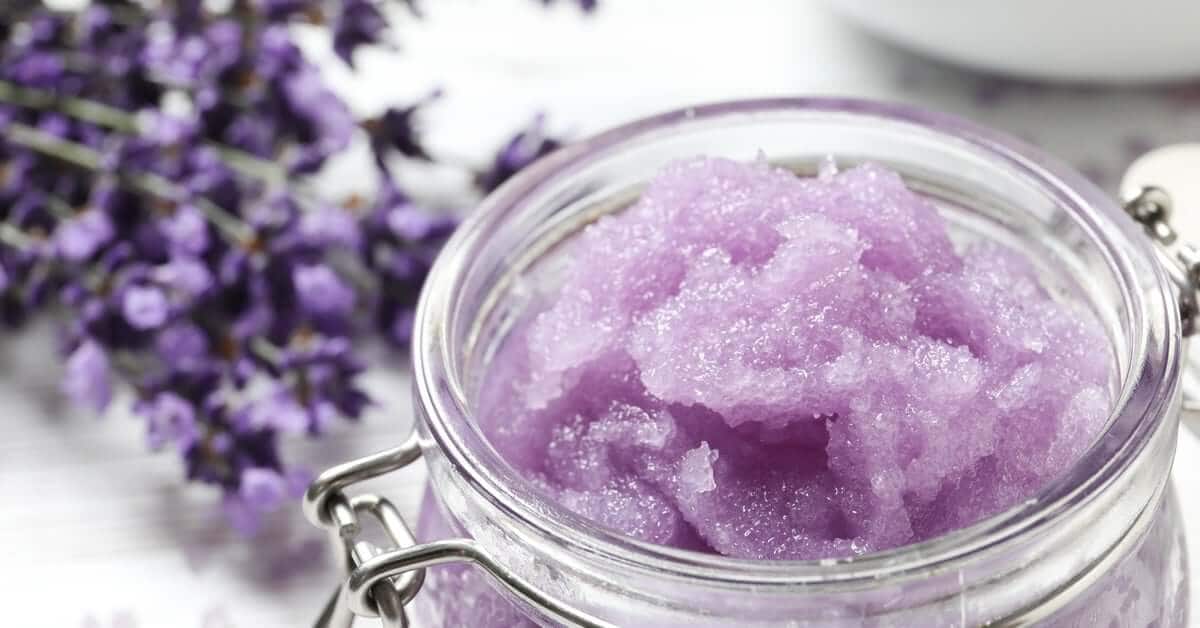
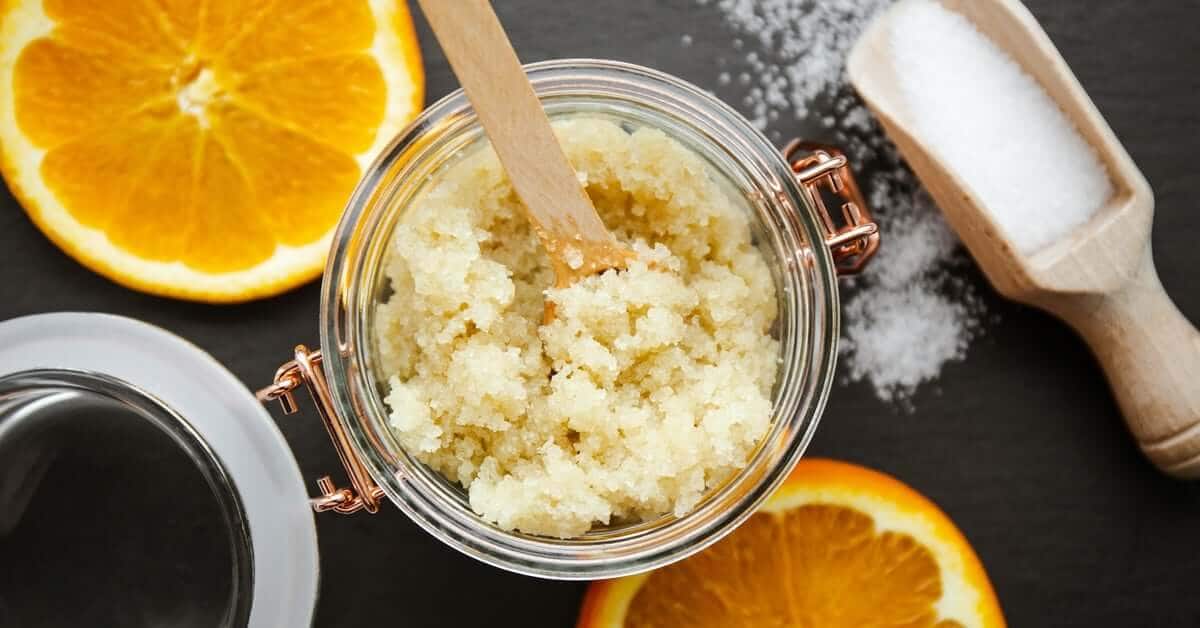
Sugar scrubs are physical exfoliants that use sugar granules to refine the surface of the skin. Compared with salt, sugar is more gentle than salt because the granules break down more easily as they are worked across damp skin. This can make the exfoliation feel easier to moderate during hand, foot, and body care treatments.
Sugar scrubs also pair naturally with moisture-focused products. Many formulas are designed to work before creams, oils, body butters, or masks. This makes them easy to place within a full spa manicure or pedicure system.
For many services, sugar scrubs offer a practical balance. They provide noticeable exfoliation while keeping the service comfortable and easy to control.
Why Sugar Scrubs Are Increasingly Popular in Spa Systems
Each exfoliation method has a place within professional spa and body care treatments. Many salt scrub formulas can provide more aggressive physical exfoliation, while chemical exfoliants offer a non-abrasive approach that relies on active ingredients. Sugar scrubs occupy a middle ground that works well across a variety of treatment types.
That versatility contributes to many of the benefits of offering sugar scrub services. From exfoliation control to service customization, several factors have helped make sugar scrubs a staple of modern spa and body care systems.
1. Sugar Scrubs Prepare Skin for Moisture Products
Moisture-focused steps work best when they are applied after exfoliation. Dry surface buildup can prevent creams, oils, and masques from spreading evenly across the skin. Like other exfoliants, sugar scrubs remove that buildup and create a smoother surface before hydration products are introduced.
This is especially useful in spa pedicures where the heels, soles, and lower legs often need additional refinement before massage products are applied. It also benefits hand treatments where dryness can collect around the knuckles and cuticle area.
2. Sugar Scrubs Balance Control and Comfort
While all exfoliants serve the same general purpose, they do not all feel the same during application. Sugar scrubs are often used in treatments that call for a balanced approach to exfoliation. As the granules gradually dissolve during use, the texture becomes smoother, and the intensity of the exfoliation naturally decreases.
This makes sugar scrubs well-suited for a variety of spa and body care services. Technicians can adjust pressure and product amount based on the treatment area, using a lighter touch around the hands and cuticle area while applying more focused exfoliation to rougher areas of the feet.
The changing texture also contributes to a more comfortable service experience by reducing the likelihood of overworking the same area.
3. Sugar Scrubs Can Leave Skin Feeling Hydrated and Refreshed
Many sugar scrub formulas also include humectants and emollients, such as glycerin and mineral oil, that contribute to the skin's hydrated feel after exfoliation. As a result, the skin often feels hydrated immediately following the treatment.
This combination of exfoliation and moisturizing is one reason sugar scrubs are commonly incorporated into spa and body care services. While preparing the skin for moisture products remains an important benefit, sugar scrubs can also contribute to the hydration experience during the exfoliation step itself.
4. Sugar Scrubs Fit Multiple Spa and Body Care Services
Sugar scrubs are flexible enough to work across several treatment types. They can be used in spa manicures, spa pedicures, hand treatments, foot treatments, and body care services. This makes them useful for salons that want one exfoliation option to support multiple areas of a spa and body care menu.
Build Better Spa Services With the Right Exfoliation Choice
One of the lasting benefits of offering sugar scrub services to clients is the ability to refine spa manicures, pedicures, and body care treatments without making the process overly harsh or complicated. When used correctly, sugar scrubs prepare the skin for moisture products, improve service flow, and support a more complete treatment experience.
At Mia Secret, we offer high-quality products designed for professional spa and body care services, supported further by our acrylic nail systems, gel systems, and manicure essentials. Shop our spa and body care collection to build complete treatment systems with service-friendly exfoliation, hydration, and salon care products.