

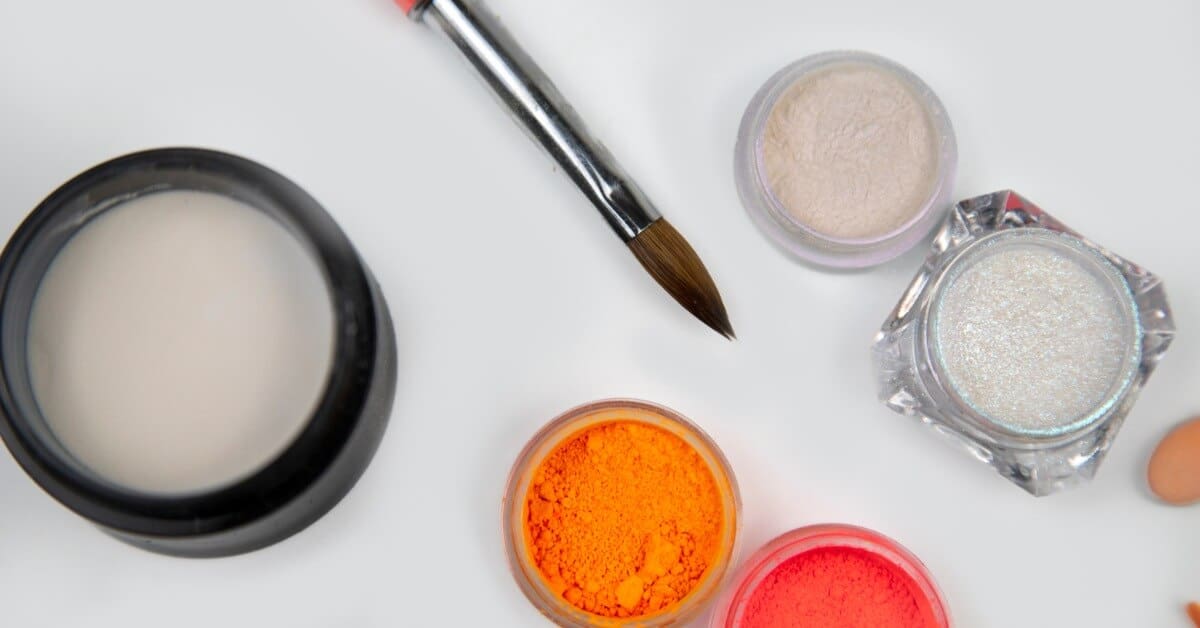
Working with acrylic nail powder requires more than just good application technique. Clean handling habits play a direct role in product performance, consistency, and overall service quality. Understanding ways to keep acrylic powders clean and sanitized helps you protect both your materials and your workflow.
Acrylic systems involve repeated contact between brushes, monomer, and powder. That interaction creates opportunities for contamination if you’re not careful. With the right habits in place, you can maintain cleaner products and more predictable results every time you work.
Why Clean Acrylic Powder Handling Matters
When acrylic powder becomes contaminated, it can affect how the product performs during application. You might notice changes in consistency, setting time, or even color clarity. These issues can slow down your service and make it harder to achieve consistent results.
Clean handling also supports better hygiene practices overall. Even though powders don’t directly touch the skin in the same way as tools, they still interact with your brush and liquid system. That indirect contact means bacteria and debris can transfer if your process isn’t controlled.
Start With a Clean Workstation
Your workstation sets the foundation for everything that follows. If your surface is cluttered or not properly cleaned, contamination can happen before you even open your product.
Before each service, wipe down your work area using a professional-grade surface cleanser. Make sure your table, handrest, and any tools you’ll use are clean and dry. Avoid placing open powder containers near dust or filing debris.
Keeping your workspace organized also reduces unnecessary contact with your products. When everything has a designated place, you’re less likely to reach across open containers or introduce debris into your powders.
Use Proper Scooping Techniques
One of the most common causes of contamination is improper product handling during application. Dipping your brush directly into the powder jar may seem efficient, but it increases the risk of introducing monomer, oils, or debris into the container.
Instead, focus on controlled product handling methods like:
- Pouring a small amount of powder into a separate dappen dish for each service
- Using a clean scoop or spatula to transfer product
- Closing the main container immediately after dispensing
This approach keeps your primary supply protected while still giving you access to the product you need. It also allows you to discard any leftover powder used during the service without affecting the rest of your inventory.
Keep Your Brush Clean and Controlled
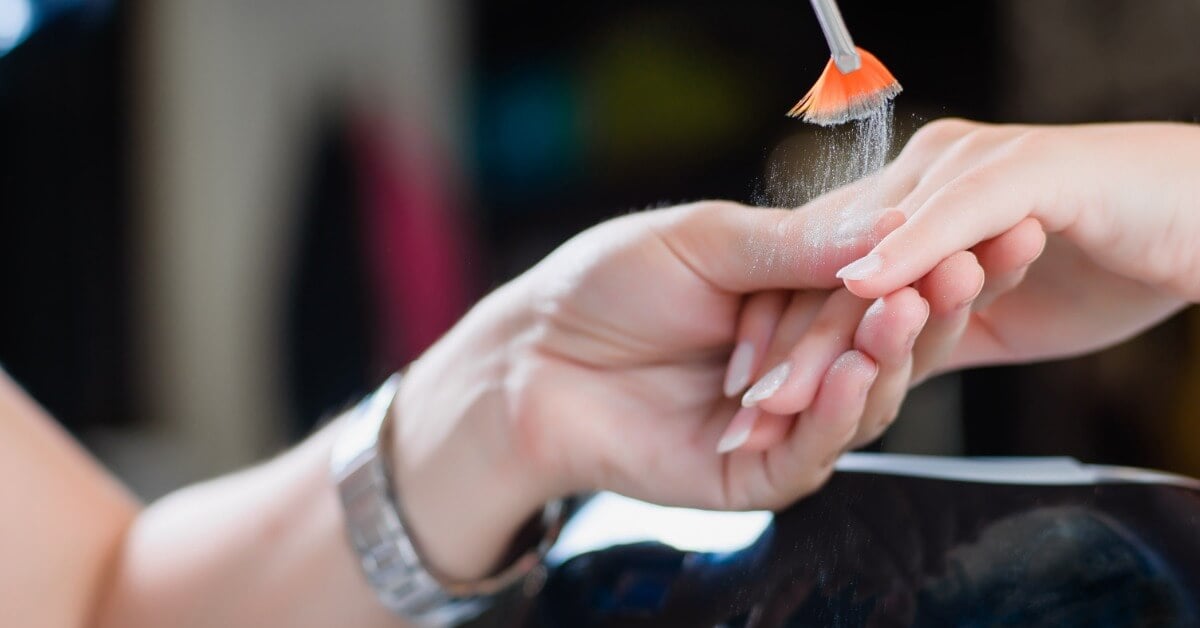
Your brush acts as the bridge between liquid and powder, so its condition directly impacts cleanliness. A brush that carries excess monomer or residue can easily transfer contaminants into your powder.
After each bead pickup, wipe your brush on a lint-free pad to remove excess liquid. This step helps maintain control over your liquid-to-powder ratio and reduces the chance of introducing unwanted substances into the container.
It’s also important to clean your brush thoroughly between clients. Use fresh monomer to rinse out any leftover product and reshape the bristles before storing it properly. A well-maintained brush supports both hygiene and precision.
Avoid Double Dipping
Double dipping is one of the quickest ways to contaminate your acrylic nail powder. When a brush that has already touched the nail surface goes back into the container, it can carry oils, dust, or bacteria with it.
Instead, work from a small, separate portion of powder. Once that portion has been used during the service, discard it rather than returning it to the original container. This practice keeps your main supply cleaner over time.
Even in fast-paced salon environments, this step is worth the extra few seconds. It helps maintain product quality and reduces the risk of inconsistencies during application.
Store Acrylic Powders Correctly
Storage plays a major role in keeping powders clean. Exposure to air, moisture, and environmental debris can all affect the condition of your product.
To maintain better control over your materials, follow these basic storage habits:
- Keep lids tightly sealed when not in use
- Store powders in a cool, dry place away from direct sunlight
- Avoid leaving containers open during filing or shaping
Proper storage helps preserve the texture and performance of your powder. It also reduces the chance of airborne particles settling into the product.
Separate Products by Service Type
If you offer multiple types of services, it helps to separate your powders based on use. For example, powders used for training, practice sets, or heavily textured designs may experience more exposure to debris.
By keeping those products separate from your primary service powders, you can maintain a higher level of cleanliness for client work. This approach also makes it easier to track product condition and replace items when needed.
You don’t need a complicated system—just clear labeling and consistent habits. Over time, this organization supports a more efficient workflow and protects your clients.
Clean Your Surrounding Tools Regularly
Even if you handle your powder carefully, nearby tools can still introduce contamination. Files, buffers, and dust brushes all create particles that can settle into open containers.
Make a habit of cleaning and sanitizing your tools after each client. Keep dust-producing tools away from open powders whenever possible. If you’re filing or shaping, close your containers first to protect the product.
This step connects directly to your overall sanitation routine. Cleaner tools lead to cleaner products and a more controlled working environment.
Be Mindful of Airborne Dust
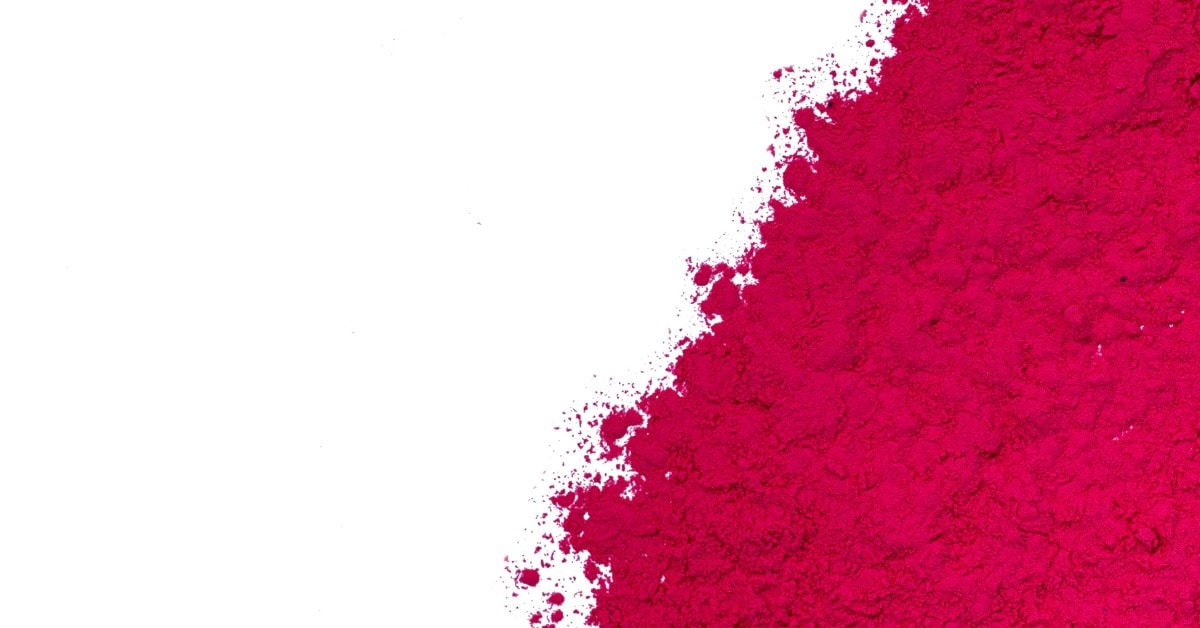
Acrylic services involve filing, which creates fine dust particles. These particles can easily travel through the air and land in open containers if you’re not careful.
To reduce this risk, adjust your workflow so that powders are only open when needed. Complete your bead pickup, then close the container before moving on to shaping or refining the nail.
If you use a dust collector, position it to pull particles away from your workspace. This can minimize how much debris circulates around your products.
Replace Products When Needed
Even with the best habits, no product lasts forever. Over time, repeated exposure can affect the quality of your acrylic nail powder.
If you notice changes in texture, color, or performance, it may be time to replace the product. Using compromised powder can make application more difficult and lead to inconsistent results.
Keeping track of when you open each container can help you monitor product lifespan. This small step supports better inventory management and cleaner working conditions.
Maintain Cleaner Acrylic Powder Practices
Maintaining clean products is an ongoing process that supports both performance and professionalism. By focusing on controlled handling, proper storage, and consistent habits, you can reduce contamination and keep your materials in better condition.
While it’s impossible to eliminate all bacteria from powders, applying these ways to keep acrylic powders clean and sanitized helps you manage exposure and maintain product quality over time. With the right approach, your acrylic nail powder remains reliable and ready for every service.
For nail technicians and DIY users looking to build a complete system, Mia Secret offers professional-grade acrylic nail powders and full acrylic nail systems designed to support consistent application and dependable results.