

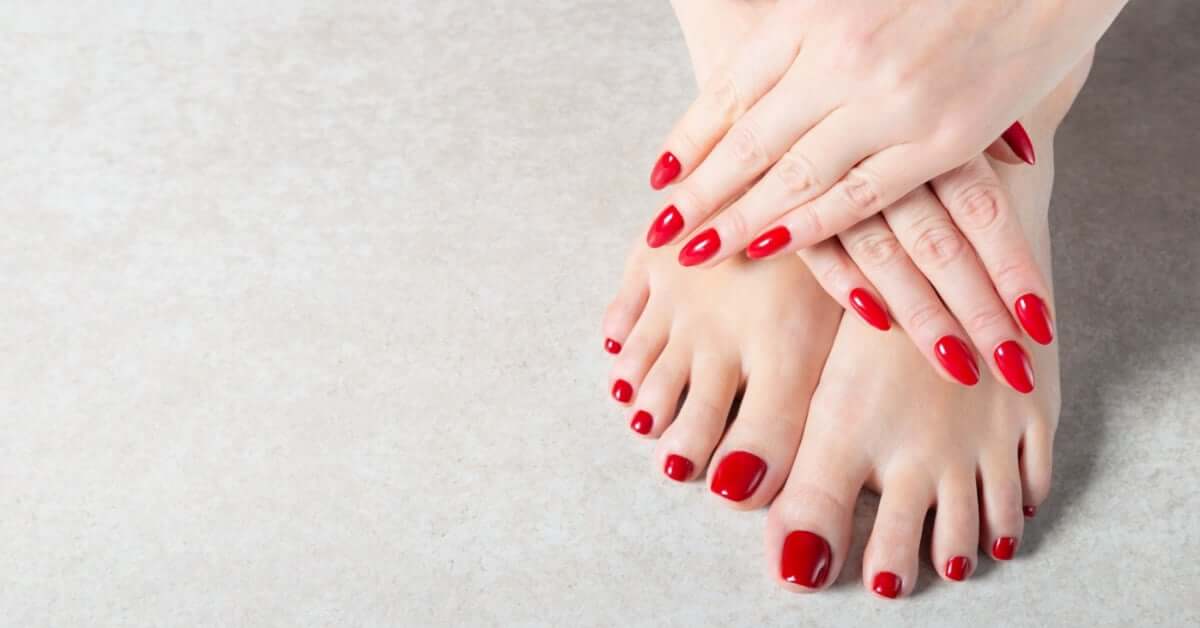

Hard gel and soft gel are often grouped together, but they behave very differently during application, wear, and removal.
Understanding how each system performs on the nail is key when deciding what to use for overlays, extensions, and long-term wear.
Our brief guide breaks down the differences you need to know between hard and soft gels so you can match the product to your needs and avoid common application and removal mistakes from the start.
What Is Soft Gel?
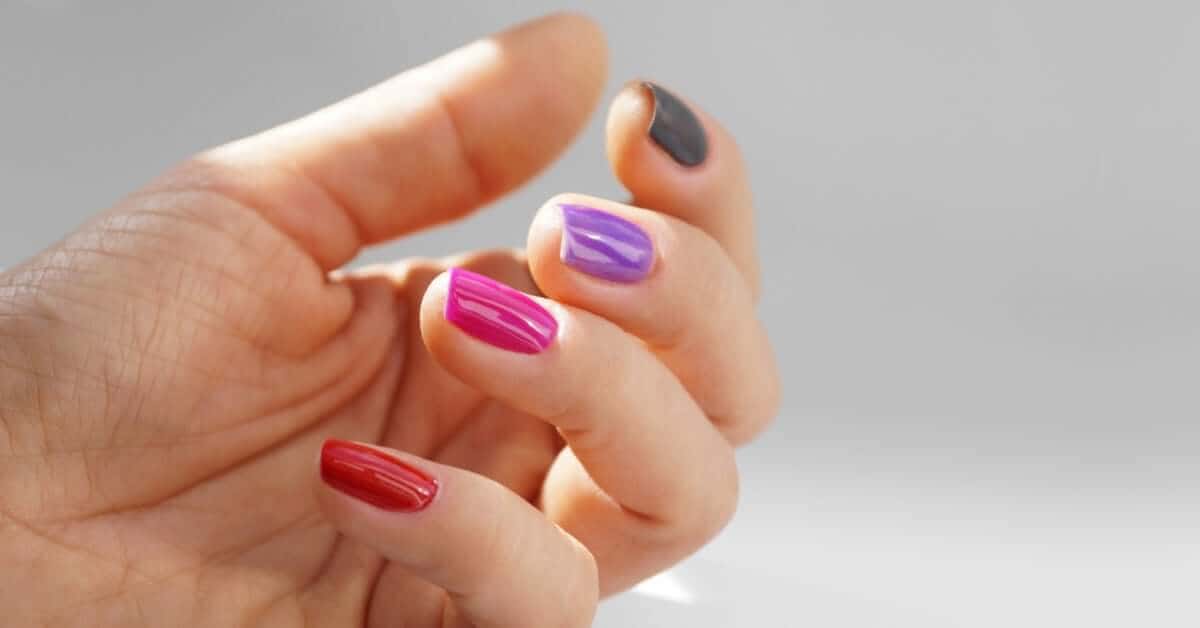
Soft gels are soak-off systems designed for flexibility and easy removal. They are commonly used for overlays, gel manicures, and soft gel tip extensions. After curing, the product remains slightly flexible and moves with the natural nail making them ideal for adding a little extra strength to natural nails and ensuring long-lasting color. Soft gels require minimal filing after application, making it a quick service option.
Soft gel includes several product types, including gel polish, builder- gel in a bottle, rubber gels, and treatment gels. Each type varies in thickness, flexibility, and strength, however, removal is the same: Soft gels are removed by soaking nails in acetone. For clients who want natural-looking nails, added strength or color that lasts longer than a few days before chipping, soft gel can be the perfect fit.
Defining Hard Gel Systems
Hard gel is a non-soak-off system used to build structure and length. Once cured, it forms a rigid layer that holds its shape over time. This makes it suitable for sculpted extensions and reinforcing longer nails.
Hard gel requires you to build an apex and refine shape during application, which supports the integrity of the natural nail, and must be filed after application to achieve correct shaping Hard gels can last for up to three weeks, are a great base for nail art, and need to be filled on subsequent appointments (not fully removed like soft gel), which makes them a good option for clients looking for extra strength, design and are comfortable with a commitment to salon visits.
Hard vs. Soft Gel: Quick Application Decisions
Choosing the right system comes down to how much structure the nail needs and how the service will be maintained. Focus on what you are building during the service.
Use soft gel when:
- Working on short overlays, gel manicures, or soft gel tip systems
- The natural nail already has strength and needs surface refinement
Switch to hard gel when:
- Building length or reinforcing weak natural nails
You need to adjust your technique based on how the product behaves before and after curing.
With soft gel, apply thin, even layers and guide the product with the brush. Soft gels are self-leveling, doing much of the work for you. Avoid adding thickness to create structure, as this leads to uneven curing.
With hard gel, place product in controlled amounts to build structure. Start at the cuticle and work down the length of the nail. Be sure to add product to form the apex rather than spreading it flat like with soft gel. Underbuilding leads to weak structure, while overworking creates bulk.
Matching the System to Nail Length and Condition
Product choice should reflect both the starting nail condition, the final intended length, and the client’s goals.
Soft gel nails are commonly used on short to medium lengths, where flexibility supports natural movement. On longer lengths, that same flexibility can lead to bending at the free edge, especially if the nail is also flexible.
Meanwhile, hard gel is a smart choice for longer nails because it holds the structure once cured. It is also used on shorter nails when added strength is needed or lifting is an issue, particularly for clients with weak or flexible natural nails.
Choosing between the two depends on how much support the nail requires and what the client prefers.
Adjusting for Wear and Maintenance
Maintenance expectations should guide your system choice before application begins.
Soft gel nails are designed for removal and replacement. Plan for soak-off during each service.
Hard gel is typically maintained through fills. Remove excess product, rebalance the apex, and rebuild only where needed instead of removing the entire product. Plan around the removal process before starting the service. For each, be prepared to:
- Soak off soft gel using acetone wraps or soak bowls
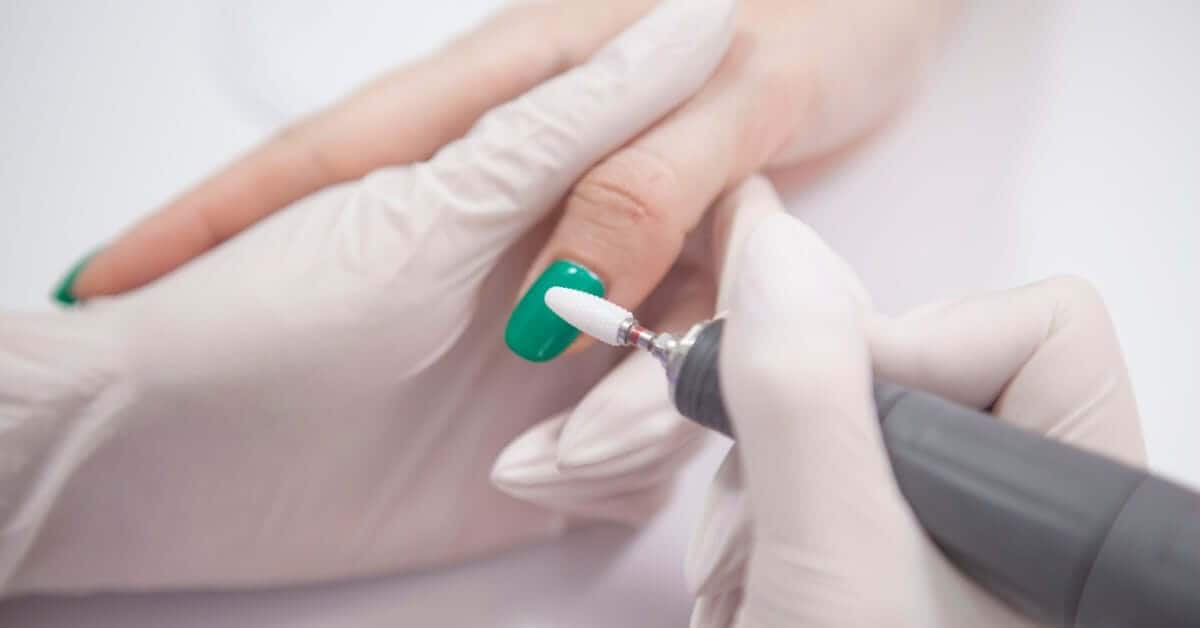
- File down hard gel before rebalancing or full removal
- Refill hard gel by rebalancing the overall structure instead of removing the entire product
Transitioning Between Hard and Soft Gel Systems
Switching between systems requires a full reset of the nail surface to avoid adhesion issues.
When moving from soft gel to hard gel, remove all soak-off product completely before building structure. Leaving soft gel underneath can affect how the hard gel adheres and lead to lifting during wear.
When switching from hard gel to soft gel, file down and remove the hard gel layer fully before applying a soak-off system. Except for gel polish, soft gel is not designed to bond over rigid, non-soak-off product.
Avoiding Common System Misuse
Most issues come from using the wrong gel for the service rather than poor technique. The most common issues include:
- Applying soft gel over long extensions → leads to bending at the free edge
- Building hard gel too thin → creates structure that can break under pressure
- Layering soft gel repeatedly instead of removing → adds bulk without strength
Keeping your nail system choice aligned with the service prevents these problems.
Choose the Right Gel System for the Service
Selecting between hard and soft gel comes down to structure, flexibility, and maintenance. Soft gel works best for overlays and services that require easy removal. Hard gel performs better for building length and maintaining structure over time.
Understanding the differences between hard and soft gels helps you adjust your technique instead of forcing one system to do everything. Each product has a clear role when applied correctly.
For consistent results, work with complete gel nail systems from Mia Secret. Our range supports both soft gel nails and structured hard gel applications, allowing you to match the product to the service without overcomplicating your process.