



Healthy nails create a reliable foundation for gel acrylic, and polish applications. Changes in the nail itself and the surrounding skin often appear gradually, and for those who do their nails regularly, they’re easy to miss.
Knowing how to spot the signs of unhealthy nails helps prevent long-term thinning, irritation, and even infection beneath enhancements. Many of these nail issues develop due to repeated mechanical stress rather than one isolated mistake. Recognizing these changes early allows you to pivot your care strategy and take steps toward healthier natural nails.
Always Evaluate the Nail Before Product Application
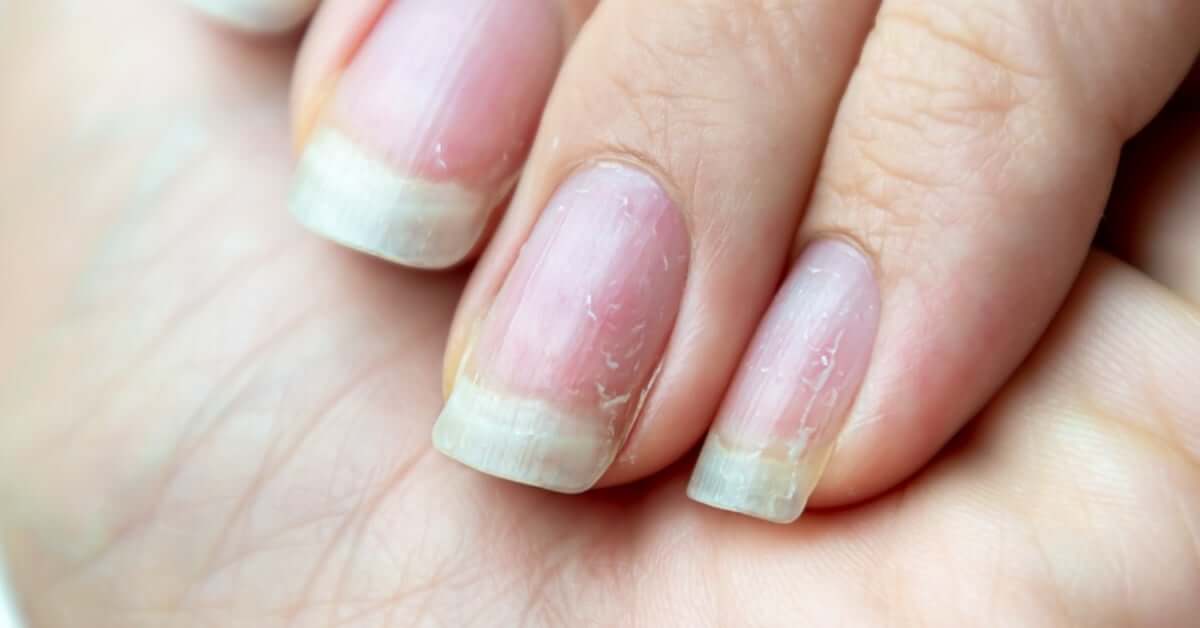
A nail’s natural surface texture, flexibility, and color often reveal problems. A healthy nail plate should feel smooth and moderately firm without excessive peeling, bending, or deep surface disruption.
Localized thinning in a U shape (also known as rings of fire) commonly points to overly aggressive prep or filing during removal. Thin free edges may indicate repeated picking, excessive exposure to water, or long-term mechanical stress from extended enhancements that lacked proper structure.
Patchy white areas are frequently mistaken for fungal concerns when they are actually keratin granulation caused by over-buffing, dry nails or improper product removal. These spots usually appear chalky or uneven across the surface rather than concentrated.
Pay attention to how the nail behaves during prep. Nails that flex excessively under light pressure will typically struggle to support harder enhancement systems. A nail doesn’t need to be in the ideal condition to support a product application, but the state of the nail should inform which products and techniques you choose.
Identify Texture Changes Linked to Enhancement Damage
Different texture issues usually point to different underlying causes. Understanding the pattern matters more than simply noticing roughness or ridges.
Peeling layers near the free edge often develop after clients pry off gel or peel lifted product between appointments. This removes surface layers from the nail plate and weakens the natural nail. Repeated soak-off applications without proper moisture recovery may also leave the nails temporarily brittle.
Deep grooves or uneven depressions sometimes appear after aggressive removal sessions. These grooves often look like stacks of rings or dark half-circles along the length of the nail. In order to protect the integrity of the nail, it’s best to:
- Check for soft spots near stress areas during removal
- Ensure gentle filing and avoiding aggressive scraping and picking
- Monitor peeling that continues several weeks after soak-off removal
Keep in mind that horizontal grooves extending across only a few nails may indicate previous trauma, illness, or interrupted nail growth rather than enhancement damage alone. However, they can also stem from overly-aggressive filing, so it’s always important to adjust your technique if they appear.
Recognize Discoloration Before Reapplying Product
Discoloration is another thing to evaluate before doing another full set or overlay. Covering unusual color changes without identifying the cause can worsen underlying issues.
Yellowing sometimes develops from pigment staining, especially if you repeatedly apply dark gel polish colors. Green discoloration, known as “greenies,” is more concerning because it often signals a bacterial infection that comes from trapped moisture beneath lifted product.
Dark bruising may also develop near the free edge after impact trauma, like hitting your nail, slamming it in a door, or dropping something heavy on it. Bruised areas typically grow out gradually with the nail rather than spreading irregularly, although if the damage occurs near the base of the nail, the nail plate may come off and then regrow.
White patches caused by keratin granulation usually sit on the surface of the nail plate and become more visible after product removal. In contrast, moisture-related discoloration often appears beneath detached areas where lifting remained untreated for extended periods.
If there is any kind of persistent discoloration, pain, swelling, or separation from the nail bed, it’s important to stop all enhancements and pursue or recommend medical care. Remember, nail technicians are not licensed to diagnose any kind of medical issue and should always refer their clients to a physician if there is cause for concern.
Monitor Heat, Sensitivity, and Flexibility During Removal
The removal process can also reveal hidden forms of nail damage. Excessive feelings of heat, sensitivity during filing, or localized tenderness can indicate that the nail plate has become overly thin.
A healthy nail plate should tolerate standard refining pressure without any sharp discomfort. If unusual sensitivity develops under curing lamps or during acetone exposure, consider changing the enhancement to something more gentle while the nails grow out and reassess both prep pressure and removal technique.
Overexposure to acetone can temporarily dehydrate the nail plate and alter the nail’s response to pressure, but that should disappear after a couple of days. Prolonged softness after removal may indicate deeper structural thinning. Repeated heavy filing or aggressively pushing off product can lead to a thin, damaged nail.
Watch for Structural Stress During Wear
Recurring cracks, free-edge splitting, or sidewall lifting often indicate structural imbalance rather than simple adhesion problems.
Longer enhancements place additional pressure on stress areas during daily wear. If the apex sits too flat or too far forward, the nail absorbs more force near the free edge, increasing the risk of cracking and separation.
People who frequently use their nails for opening containers, typing heavily, or repeated water exposure may also develop chronic stress damage despite proper application.
Repeated free-edge lifting sometimes signals that the natural nail underneath has become too thin and flexible to support the enhancement structure effectively. In these cases, shortening the length temporarily or switching systems may create better long-term retention.
Separate Product Damage From Medical Concerns
Not every unhealthy nail condition stems directly from enhancements. Trauma, health conditions, allergies, and environmental exposure can all affect the nail plate and surrounding skin.
For example, a skin condition like psoriasis can lead to excessively brittle nails. However, this change in nail health can initially look like the fault of dehydrating products. It’s important to monitor how a nail reacts to specific products and base your recommendations for enhancement on those reactions.
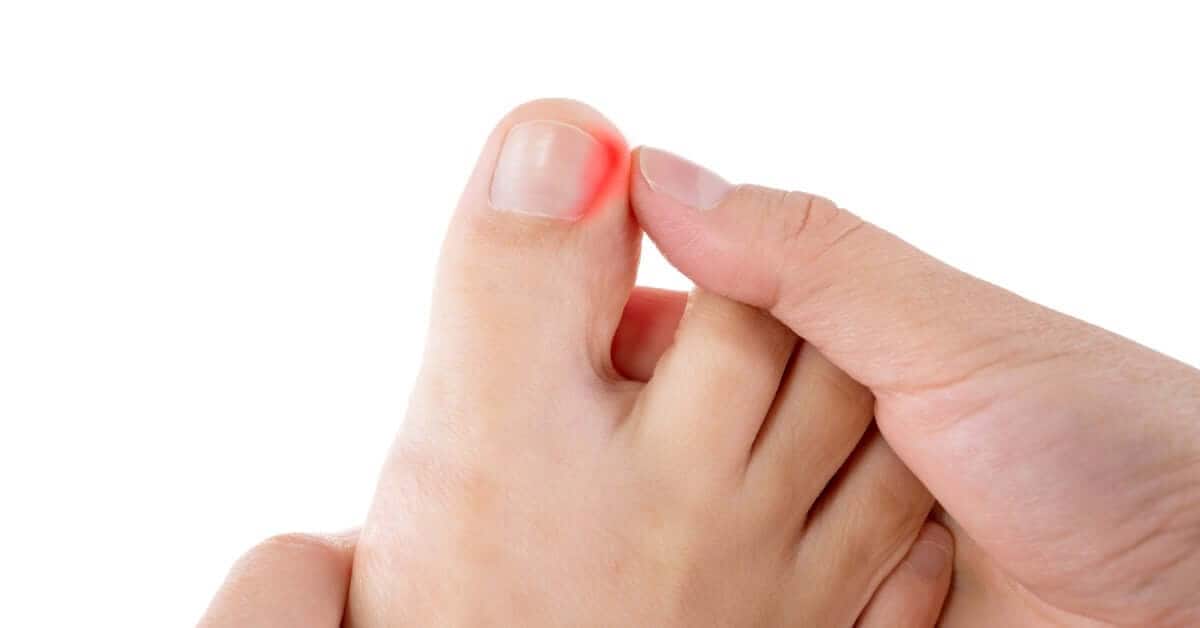
Any persistent redness, itching, swelling, severe thickening, or unusual separation from the nail bed may require medical evaluation instead of another cosmetic application. Nail professionals must never diagnose medical conditions directly. Instead, focus on recognizing when the nail no longer appears appropriate for cosmetic application.
Experienced DIY users should take the same approach. If irritation continues after product removal and moisture recovery, stop applying enhancements until you have a better understanding of what’s causing the issue.
Protect Nail Health Between Applications
Consistent maintenance habits affect nail condition just as much as application technique. Repeated picking, improper removal, and skipped moisture care gradually weaken the nail plate even when the original application was performed correctly.
Cuticle oil remains important because dehydrated nails become less flexible during wear. Dry enhancement systems often lift faster around high-movement areas near the sidewalls and free edge. Healthier maintenance routines involve:
- Removing product fully instead of peeling lifted areas
- Alternating between heavy structure and lighter overlays if needed
- Applying cuticle oil daily into the nail and surrounding skin
Changing systems occasionally may also improve retention and comfort. Some nail plates tolerate soak-off gels better than rigid acrylic, while others perform more consistently with structured gel applications.
Make Nail Health Part of Every Nail Routine
Whether you work professionally or perform your nail applications at home, learning how to spot the signs of unhealthy nails improves the natural nail condition beneath enhancements. Small adjustments to prep, removal technique, moisture balance, and structural application can make a noticeable difference over time.
Explore professional nail supplies from Mia Secret designed to support application, removal, and healthier nails through repeated wear.